The winners and losers of 5-in-5
The new system of rules, 5-in-5, is a framework that would sharpen up many of the fuzzy edges surrounding NCAA eligibility. But not everyone will benefit.


Daniel Susann, Editor
The next NCAA Division I Cabinet meeting is just two days away on May 22, where we could possibly see the next phase of eligibility rules enacted.
The new system of rules, 5-in-5, is a framework that would sharpen up many of the fuzzy edges surrounding NCAA eligibility. No more redshirts. No more 23 year old freshmen who only have two years. No more getting held back multiple years in high school to gain a competitive advantage over fellow recruits.
Here are the key components of 5-in-5:
- 5 years of eligibility for athletes from the time they graduate high school or turn 19, whichever comes first
- Effectively sets 23-year-old age limit
- Non-retroactive (current seniors are not grandfathered in)
- Current juniors and below are included, so juniors have two years remaining
- No medial redshirts
Sharpening the edges of eligibility is an important task in making sure the system is fair. But naturally, there will always be winners and losers. Let's start with the losers.
Losers
Over the past half-decade of college athletics, there has been a significant oversaturation of older players on rosters. The covid year effectively took away much of the roster space typically dedicated to incoming freshmen. And with the transfer portal, coaches can easily bring in experienced college players, not having to grind away on the recruiting trail.
The path to success no longer runs through high school recruiting. 5 in 5 could restore the importance of recruiting with a hard age cap, but in the immediate years, the problem will be worse for Class of '27 and '28 recruits.
Many recruits who will have gone to a Power Four program will have to settle for lower-level opportunities and work their way up before transferring to the high-majors.
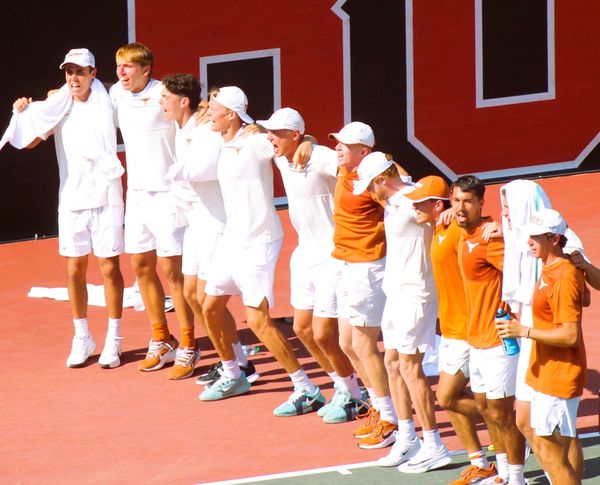
The other big losers with 5-in-5 are current seniors. They just missed out on the covid year waiver by two years, and will miss out on the 5-in-5 system by a year. One of those players missing out is No. 3 ranked senior Sebastian Gorzny, a part of the NCAA runner-up Texas squad.
"[College tennis has] been the best experience of my life," Gorzny said. "... Unfortunately, my college years are over. I missed out on the fifth year by one year. Definitely came back as many times as I could."
It is hard to not feel bad for the seniors that are missing out, but allowing them to return would cause too much chaos for an already chaotic college sports landscape. Rosters would have to be completely redone.
Another loser that might fly under the radar is athletes who face multiple seasons with injuries where they would have received a waiver. Those athletes will get the same number of seasons as the rest, even if they are just sitting on the bench the whole year.
Winners
The biggest winners are the college coaches and athletic programs. They will now have a much larger pool of athletes to work with to build their rosters, and also be more sure of the limitations of eligibility.
The top level players will have another year to hone their skills in college, possibly get a graduate degree and if applicable, earn money through NIL. They will benefit greatly from 5-in-5. Lower and mid level players will likely have a tougher time finding a roster spot at Power Four programs, but if they can stick around, they will benefit too.
Stay tuned for more updates as the NCAA makes its decision in the coming offseason.